Curiosity images reveal honeycomb-like polygons on Mars
NASA’s Curiosity photographed a broad expanse of polygonal, honeycomb-textured ground on Mars; CTV reports NASA said the find "took our breath away."
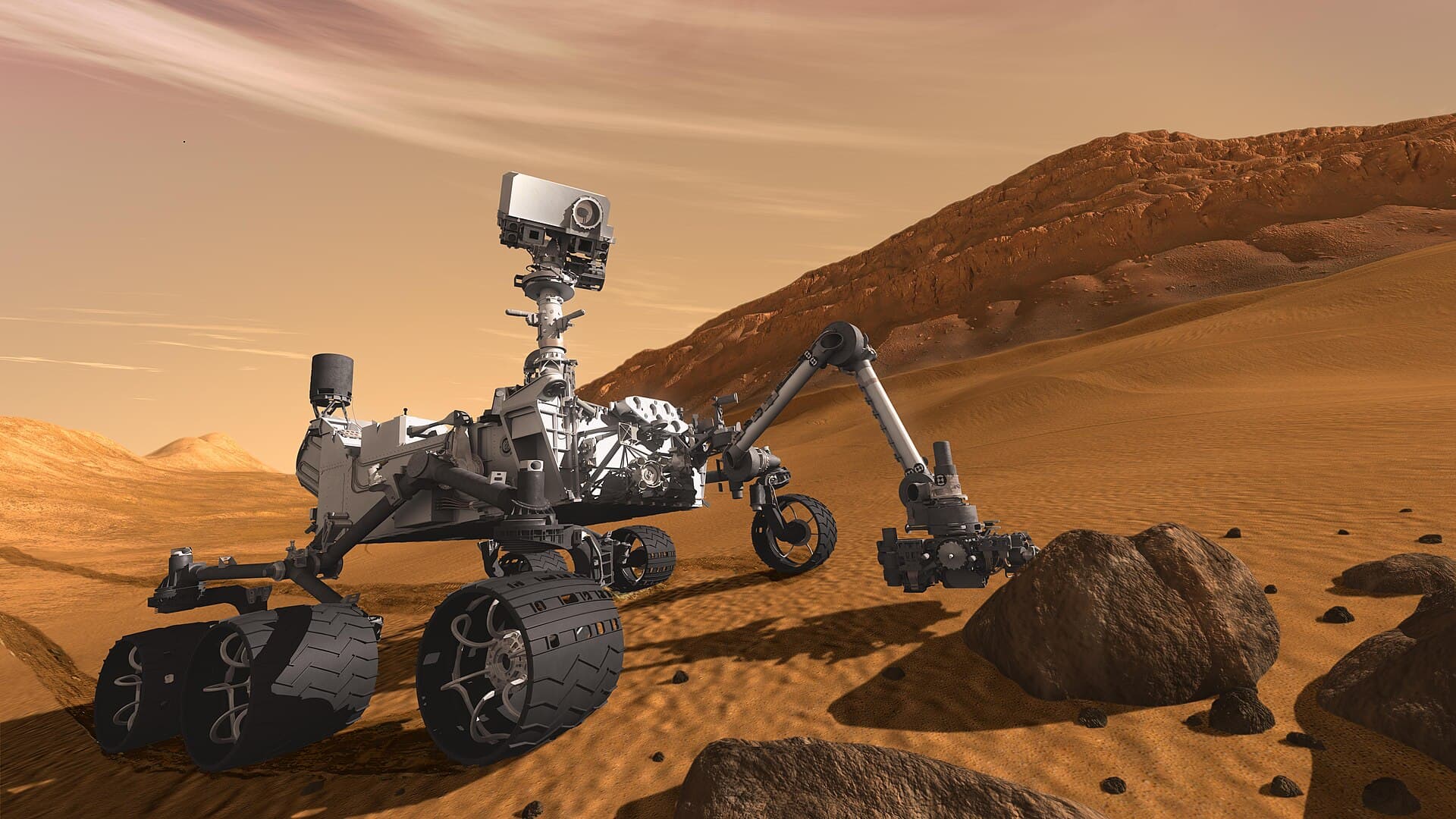
NASA’s Curiosity rover has photographed a broad field of polygonal, honeycomb-textured patterns on the Martian surface, reports Phys.org. The images show a widespread arrangement of regular, polygon-shaped textures across the ground that news outlets described as striking.
Images and description
The photographs were taken by Curiosity as part of its ongoing surface imaging campaign, and multiple outlets published the subset of images that highlight the repeating, honeycomb-like shapes. Reports characterize the feature as a broad area or "sea" of polygonal textures rather than an isolated patch, indicating the pattern extends over a notable surface area.
Reporting and open questions
CTV reported that NASA described the discovery as having "took our breath away," attributing the phrasing to the agency in coverage of the images. Published accounts focus on the visual nature of the textures and the rover’s role in documenting them. The available reports do not present a confirmed scientific explanation for how the polygonal, honeycomb-like textures formed, and they do not specify analyses or results that establish a formation process.
Further examination of the images and additional data from Curiosity may clarify the context and origin of the textures, but current reporting is limited to the rover’s photographic observations and the reactions they prompted.